
If you’ve ever wondered what people mean by “Three Kings Day” and “Epiphany,” you’re not alone. The three kings day epiphany meaning is all about a revealing moment—when Jesus is recognized by the wider world. That idea shows up through the Magi, the star, gift-giving traditions, parades, special breads, and even water-blessing customs in some churches. Still, dates and practices can look different depending on where you live and which Christian tradition you follow. Let’s make it simple, clear, and easy to remember.
Quick Answer
The three kings day epiphany meaning is the celebration of Jesus being revealed to the world—often remembered through the visit of the Magi with their gifts. Many observe it on January 6, while some traditions keep a different date.
TL;DR
• Epiphany means Jesus is revealed to the world
• “Three Kings Day” highlights the Magi visit
• Some celebrate January 6; others use January 19
• Western and Eastern traditions emphasize different moments
• Food, parades, and prayers are common traditions
• You can celebrate simply at home
What Three Kings Day Epiphany Meaning Really Points To
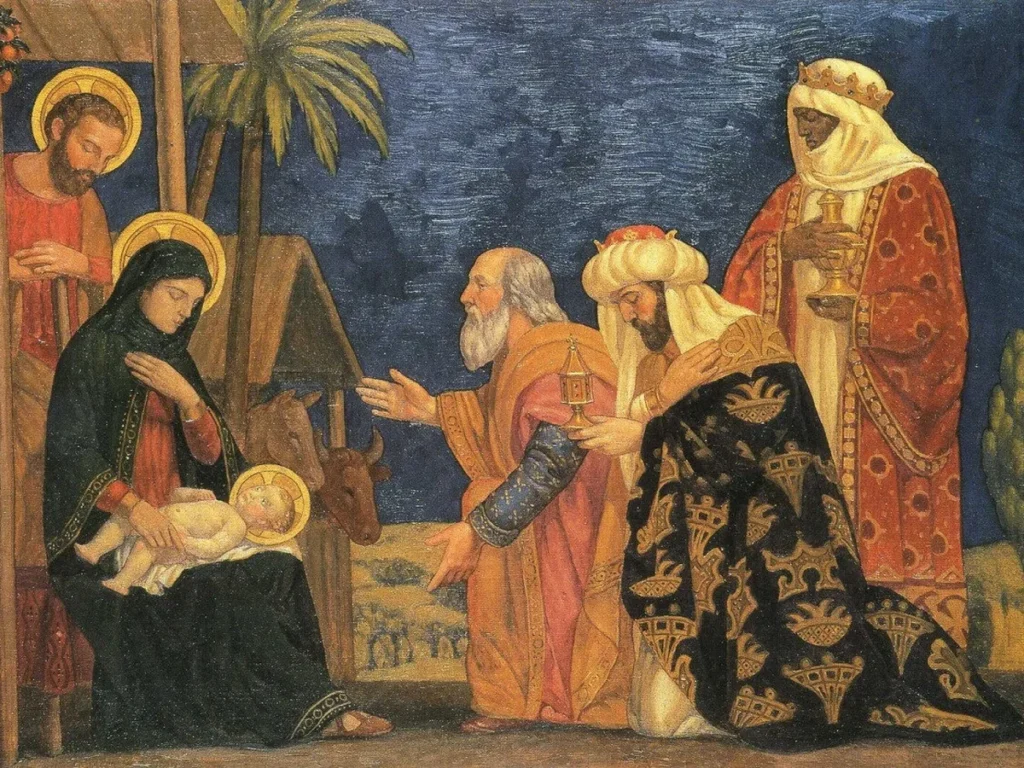
It helps to start with the “why.” This day isn’t only about a story—it’s about what the story shows. Once that clicks, the traditions make more sense.
• Epiphany means a revealing moment
• Three Kings Day spotlights the Magi visit
• manifestation points to “shown clearly”
• It’s about recognition, not just travel
• Many connect it to the Christmas season
• It highlights Jesus for the whole world
• It’s celebrated in churches and homes
• Traditions differ, but the theme stays
• The star symbol often appears everywhere
• Gifts remind people of the Magi offerings
• Families use it as a faith reset
• Many see it as a hopeful winter milestone
Why The Day Has So Many Names
Different communities emphasize different parts of the same big idea. So, names grew over time. That’s why you might hear several labels for one date.
• Theophany emphasizes God revealed
• Feast of Epiphany is the formal church name
• appearance describes “showing up clearly”
• “Three Kings” is a popular nickname
• “Magi” is another common word used
• Some say “Twelfth Day” in conversation
• Others call it “Little Christmas” informally
• Names vary by country and church tradition
• Western churches often highlight the visitors
• Eastern churches often highlight baptism themes
• Both point to Jesus being recognized
• The meaning stays steady across names
January 6, January 19, Or A Sunday: Why Dates Differ
This is the part that confuses people most. The good news is it’s not complicated once you know the reason. Different calendars and church schedules create the split.
• January 6 is the traditional date
• January 19 appears in some Orthodox communities
• Julian calendar timing creates the later date
• Some churches move it to a Sunday
• That change helps more people attend services
• The exact day can depend on country
• Local dioceses may follow a set rule
• The season around it can stretch longer
• Families may celebrate on both dates
• Community festivals often stick with January 6
• Water-blessing events may follow local custom
• Checking your church calendar can clarify quickly
The Magi Story In Plain English
You don’t need a theology degree to understand the core story. It’s simple: visitors arrive, they honor the child, and the moment means something bigger.
• Magi were visitors from the East
• wise men is the common nickname
• Bethlehem is where they arrived
• A star guides their journey in tradition
• They come after Jesus is born
• They bring gifts, not empty hands
• The visit signals wider recognition
• It connects Jesus beyond one community
• The story is remembered in worship
• It’s also retold in family celebrations
• Children often act it out at home
• Many traditions focus on generosity and awe
Gold, Frankincense, And Myrrh: Why These Gifts Matter
The gifts aren’t random. Even if you keep it simple, each one points to something people associate with honor, worship, and sacrifice.
• gold signals honor and kingship
• frankincense connects to worship and prayer
• myrrh hints at suffering and mortality
• Together, they show deep respect
• They also show the visitors’ seriousness
• People remember them in songs and readings
• Gift-giving traditions echo this moment
• Some families label gifts with the three items
• Churches may reference them in sermons
• Kids learn them as a helpful memory tool
• The three gifts shape many holiday symbols
• The message is: this child matters
Western Traditions Vs Eastern Traditions: What’s The Focus
Different traditions tell the same big story with different highlights. That doesn’t mean one is “right.” It just means the focus changes.
• Western Christianity often centers the Magi visit
• Eastern Christianity often centers baptism themes
• baptism signals public beginning and identity
• Western services feature star and kings imagery
• Eastern services may emphasize water symbolism
• Both celebrate Jesus being revealed
• Both include worship and community gathering
• Some places combine multiple themes in one day
• The season around it can differ too
• Names can shift with the tradition
• You might see different readings in services
• The heart message stays the same
Theophany And The Blessing Of Water Traditions
This is one of the most visually striking customs. In some communities, water is blessed as a sign of renewal. That practice can look dramatic, especially near rivers or bays.
• blessing of waters symbolizes renewal and cleansing
• cross dive is practiced in some communities
• Jordan River is the baptism reference
• Priests may bless water outdoors
• Some people take a little home
• It’s often paired with prayers and hymns
• Crowds may gather even in cold weather
• Families treat it as a yearly reset
• The water theme connects to baptism
• The event can be both sacred and cultural
• In the U.S., Tarpon Springs is famous for it
• The focus stays on blessing, not spectacle
Signs, Stars, And Songs: Popular Epiphany Customs
Not every celebration looks the same, but certain symbols pop up often. Stars, music, and blessings help families mark the day in a memorable way.
• star decorations recall the guiding light
• carols are sung in some neighborhoods
• house blessing prayers are common in many homes
• Some people light candles at dinner
• Children may carry star lanterns
• Families read the Magi story together
• Some exchange small gifts at night
• Others do a simple dessert tradition
• Churches may hold special evening services
• Some people visit neighbors with songs
• Many take down holiday décor afterward
• The customs are flexible and personal
K+M+B Door Marking: What It Stands For
You might see letters written above a doorway in chalk. It’s a simple tradition with a protective, blessing-focused meaning for the home.
• K+M+B is written above a doorway
• chalk is often blessed beforehand
• bless this house is the common meaning
• Some connect letters to Magi names
• Cross marks may appear between letters
• It’s usually done on January 6
• Families treat it as a home prayer
• Kids often help with the writing
• It’s meant to be peaceful, not superstitious
• Some homes add the current year nearby
• The goal is gratitude and protection
• Many refresh it again the next year
Parades And Processions: Why Communities Love Them
Public celebrations help people share joy together. Even if you’re not religious, you’ll often recognize the themes: kings, stars, music, and giving.
• procession keeps the story visible in public
• parade floats often show the Magi
• costumes make it fun for kids
• Music groups may march alongside families
• Some cities hold events on January 5
• Others celebrate on January 6 daytime
• People wave, sing, and share sweets
• Community centers often host gatherings
• Churches may begin with a service first
• U.S. neighborhoods sometimes host local festivals
• Chicago communities have public celebrations too
• The day becomes both faith and culture
Three Kings Cake, King Cake, And Rosca: What’s Different
Food traditions can be confusing because names overlap. Still, the idea is easy: a special sweet marks the day, and the group shares it together.
• Rosca de Reyes is common in many Latino families
• King Cake is popular in Louisiana traditions
• galette appears in parts of Europe
• Shapes can be ring-like or oval
• Many include colorful fruit or sugar topping
• Some hide a bean, charm, or token
• The “winner” may wear a paper crown
• Families often serve hot chocolate alongside
• Sharing the bread becomes the main moment
• The dessert connects celebration with togetherness
• Different regions use different recipes
• The meaning is community, not perfection
Why Some Breads Hide A Small Figure Or Token
The hidden item is mostly about tradition and hosting. It adds a playful moment, but it also points forward to another gathering on a later date.
• figurine tradition adds surprise and laughter
• Candlemas is linked in some cultures
• February 2 is the common follow-up date
• The finder may “host” the next gathering
• Families treat it as friendly responsibility
• Kids often get excited to find it
• Adults may cut slices carefully and slowly
• It encourages one more shared meal
• Some use a bean instead of a figure
• Others use a small charm-like token
• The point is connection and continuity
• Always use safe, food-friendly items
How Hispanic And Latino Families Celebrate In The U.S.
In the U.S., many families keep traditions that feel both faith-based and cultural. The celebration often centers on children, family meals, and community events.
• Día de los Reyes is a common Spanish name
• shoes may be left out for gifts
• letters to the kings are a tradition
• Families may leave water for camels
• Small gifts often appear the next morning
• Some attend a church service together
• Rosca can be the center of dessert
• Kids may dress up like kings
• Community groups host neighborhood celebrations
• Some families choose January 6 every year
• Others celebrate on a nearby weekend day
• The theme stays: wonder, giving, and family
Is Epiphany The Real End Of The Christmas Season
Many people ask when to take down decorations. Some do it earlier, while others wait for this day. Either way, Epiphany gives a meaningful “wrap-up” moment.
• Twelfth Night is the evening before Epiphany
• decorations often come down around this time
• Christmas season feels complete for many families
• Some keep décor up through January 6
• Others wait until after a Sunday celebration
• Many churches shift seasons after Epiphany
• Families may pack ornaments after dinner
• Some keep a nativity scene a bit longer
• This timing can vary by region
• What matters is marking the moment
• A short prayer can close the season gently
• It can be a calm reset for winter
Easy Ways To Celebrate At Home With Kids
You don’t need a parade or special supplies. A simple plan at home can still feel meaningful. Keep it short, warm, and age-friendly.
• family ritual can be a five-minute moment
• simple prayer works even for beginners
• story time can be the Magi story
• Make paper crowns from plain card stock
• Draw a star and hang it in a window
• Share a dessert and talk about generosity
• Write “thank you” notes for holiday gifts
• Donate one toy or coat as a family
• Watch a kid-friendly retelling together
• Cook an easy ring bread at home
• Light a candle during dinner conversation
• End by choosing one kindness goal
Common Myths And Quick Clarifications
A few misunderstandings show up every year. Clearing them up helps the day feel less confusing. It also keeps the focus on what matters.
• three kings is tradition, not a headcount
• not in Scripture: “kings” isn’t stated directly
• tradition shaped names and details over time
• The Bible doesn’t list their exact number
• Their names vary by culture and language
• The gifts are what imply “three” in many tellings
• Epiphany isn’t only about presents
• It’s not “just a Spanish holiday” either
• It’s celebrated worldwide in many forms
• Dates differ without changing the main meaning
• You can celebrate without copying every custom
• The goal is wonder, worship, and generosity
FAQs
What does Epiphany mean?
Epiphany means “appearance” or “manifestation.” In Christian tradition, it points to Jesus being revealed to the world, especially remembered through the Magi’s visit.
Is Three Kings Day the same as Epiphany?
Often, yes. “Three Kings Day” is a popular name for Epiphany in many places because it highlights the Magi coming to honor Jesus.
Why do some people celebrate on January 19 instead of January 6?
Some Orthodox churches follow the Julian calendar for certain dates. That difference can place the celebration on January 19 in the Gregorian calendar used in everyday U.S. life.
How is Epiphany celebrated in the U.S.?
It varies. Some attend church services, some join parades or community events, and many Hispanic families celebrate Día de los Reyes with gifts, food, and family time.
What are the three gifts, and why are they important?
Gold, frankincense, and myrrh are the gifts named in the story of the Magi. They’re remembered because they show honor, worship, and deep meaning tied to Jesus’ life.
Is Epiphany the end of the Christmas season?
For many people, yes—it’s treated as the closing moment of the Christmas season. Others follow different local or church customs, but Epiphany is a common “finish line.”
Conclusion
Now you know the three kings day epiphany meaning in simple terms: it’s about Jesus being revealed to the world, remembered through the Magi and many living traditions. If you want to mark it, start small—one family moment is enough.